bet365 Enters West Virginia Market as Its 18th U.S. State with Integrated Sportsbook and Casino Platform
Ines Lehmann · Aug 27, 2026

bet365 Enters West Virginia Market as Its 18th U.S. State with Integrated Sportsbook and Casino Platform
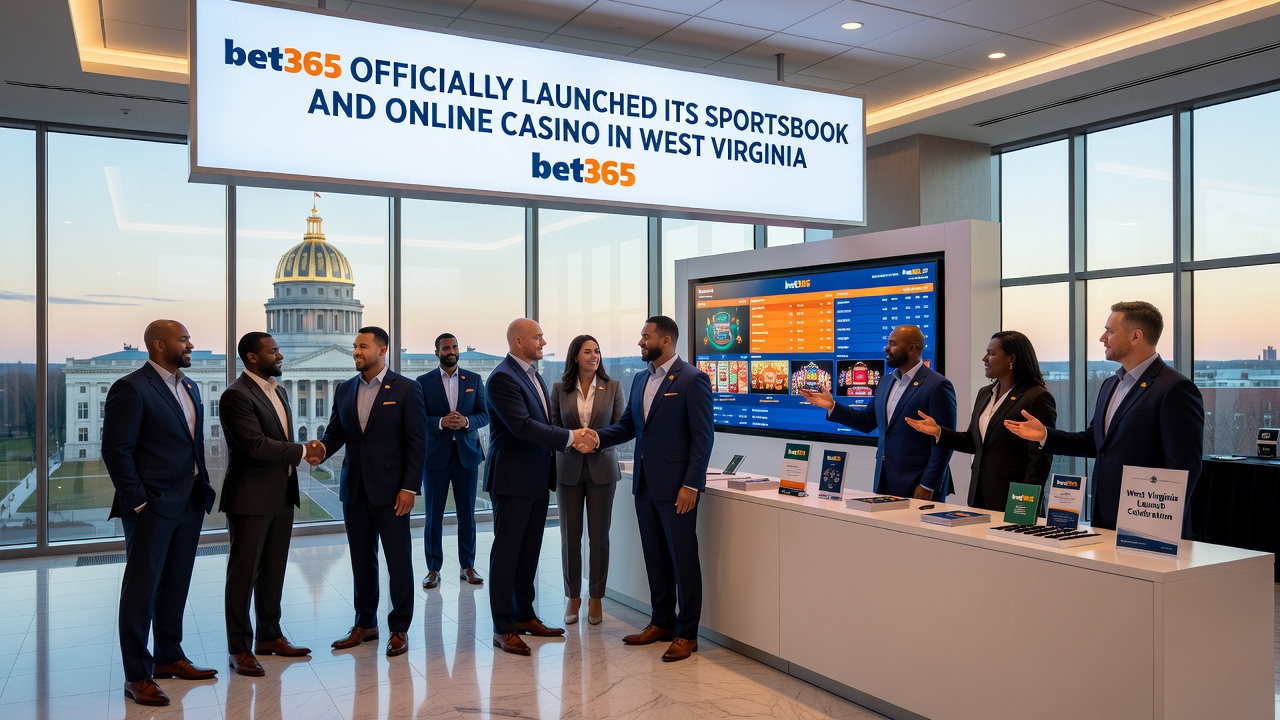
Global operator bet365 has launched its sportsbook and online casino products in West Virginia, bringing the total number of U.S. states where the company operates to 18. The rollout combines both verticals from day one, allowing players access to sports wagering alongside casino games under a single regulated platform. According to company statements released through industry channels, this approach aligns with bet365's strategy of entering mature markets where casino offerings can complement core sportsbook activity.
The launch includes a promotional package advertised as “Bet $10, Get $150 + 50 Spins,” structured to provide new users with an initial deposit match followed by free spins on selected slots. Regulatory filings indicate that the promotion adheres to West Virginia Lottery Commission guidelines governing bonus structures and responsible gaming disclosures. Observers note that similar bundled offers have appeared in other states where operators seek to accelerate user acquisition during the first months of operation.
Market Context and Regulatory Framework
West Virginia legalized sports betting in 2018 and expanded authorization to include online casino games through subsequent legislation. The state’s regulatory environment requires operators to partner with local casinos or racetracks, a model that bet365 has followed in previous U.S. entries. Data from the West Virginia Lottery shows consistent year-over-year growth in both handle and revenue since online products became available, with sports betting accounting for the larger share of total activity while iGaming contributes steady incremental gains.
Industry reports compiled by research groups such as the American Gaming Association indicate that states permitting both verticals under one license tend to see higher player retention rates compared with sportsbook-only jurisdictions. Figures released by state gaming agencies reveal that combined platforms often generate diversified revenue streams, reducing reliance on seasonal sports events alone. Those who track U.S. expansion patterns point to West Virginia’s relatively low tax rate on online gaming as one factor attracting additional operators in recent years.
Promotional Structure and Player Acquisition
The advertised welcome offer breaks down into two components: a deposit bonus triggered by an initial $10 wager and a set of 50 free spins delivered across multiple days. Terms published on the operator’s platform specify wagering requirements, eligible markets, and game restrictions that comply with state rules. Similar structures have been deployed in other regulated markets, where operators use tiered bonuses to balance acquisition costs against long-term player value.
Analysts following the U.S. market have observed that promotional intensity often peaks during the opening weeks of a new launch before settling into more sustainable ongoing offers. In West Virginia specifically, competition among licensed operators has increased since the introduction of online casino products, leading some platforms to emphasize casino-side incentives alongside traditional sports betting bonuses. State revenue data shows that months with major promotional campaigns correlate with measurable upticks in active accounts and handle.
Strategic Expansion Pattern
bet365’s decision to pair sportsbook and casino products in West Virginia follows a pattern established in earlier state entries where both verticals were introduced together. Company communications describe the move as part of a broader focus on markets that have already reached regulatory maturity, allowing for faster integration of full product suites. External observers tracking licensing activity note that this approach reduces the need for separate phased rollouts and enables operators to capture revenue from multiple verticals simultaneously.
Comparative data from other states that adopted similar combined models shows that average revenue per user tends to stabilize at higher levels once players engage across both sports and casino offerings. Regulatory filings further indicate that operators with integrated platforms report lower customer acquisition costs over time because cross-promotion between verticals keeps users active during off-peak sports periods.
Conclusion
The West Virginia launch adds one more regulated jurisdiction to bet365’s U.S. footprint while reinforcing the company’s preference for markets that support both sportsbook and casino operations. Available state revenue figures and licensing records confirm that the operator has met all required regulatory thresholds before going live. Industry tracking sources continue to monitor how the new entry affects overall market share distribution among existing licensees in the state.